A $12 million co-living housing development for people with intellectual and physical disabilities is set to be the first inclusive living community in the country, and its developers say it will give its residents the ability to lead autonomous, independent lives.
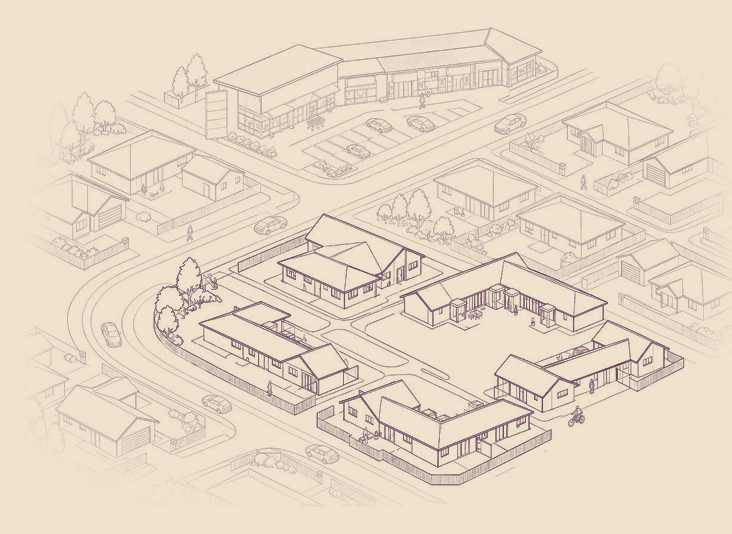
Project Paeroa will sit on 6000 square metres in the centre of Paeroa Hills, the housing development taking shape at the old racecourse site on State Highway 26.
It will feature 14 one- and two-bedroom units with space for 16 residents, arranged around a central courtyard and green space. Also included in the project is a purpose-designed community hub.
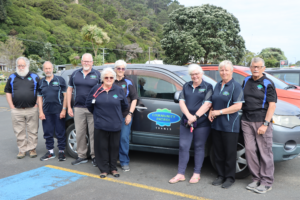
The project is a collaboration between the Assisting Different Abilities Peoples Trust (ADAPT), which provides residential accommodation for people with disabilities, and the Supported Life Style Hauraki Trust (SLHT).
Their aim is to create homes that foster independence and belonging, bringing their residents into the wider community in an inclusive and natural way.
“Our philosophy is to change the way housing is provided to support service organisations,” ADAPT strategy and partnership director Dennis de Reus said.
“They’re not group homes – they’re [just] homes for people in our community.”
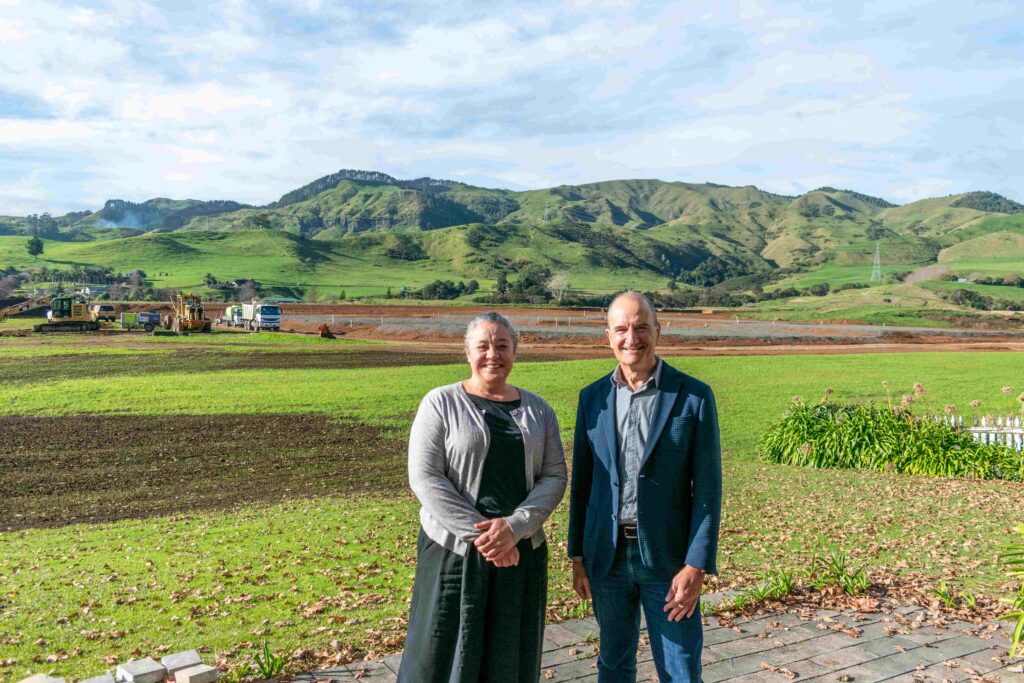
Project Paeroa has been designed with substantial input from the SHLT.
“All the homes have been designed to universal design principles. So as people’s needs evolve, then the homes can adapt to meet their needs… there’ll be no need to do expensive retrofits or renovations,” Dennis said.
“People have their own space, their own home. It is community-facing, but… they’ve got privacy as well as connection.”
It will also integrate as seamlessly as possible into the surrounding community, using the same cladding materials and landscaping designs to make it feel like a part of the neighbourhood.
“We don’t want to stick out. We want the people that we support to feel as though they are part of a community just like anybody else,” SLHT chief executive Samantha Lee said.
The community hub will serve two functions for the neighbourhood. On the community side, it will have social spaces, a kitchen, and dining space.
“People can come together to meet, to socialise, spend time with friends and family rather than be isolated in their homes – all of that’s really important to build that extensive connection between community and friendships.”
The hub will also cater to the needs of its residents, with staff offices, respite rooms, and fully accessible bathrooms. Samantha said there will be around 20 staff onsite.
“All of the business-y stuff is there, but it’s kind of sitting in the background,” she said.
“We have the realities of what service looks like and support looks like, but actually we’re trying to put those in the background and bring the ‘life’ part to the foreground.
“If someone needs anything, it’s a 30-second walk across the block to go find them. But they’re not in your face all the time, so you can live the life you want to live largely and just pick up the support when you need it.”
ADAPT said they expect the development also to have long-term benefits for Paeroa well beyond the homes themselves. Residents will be part of the life of the town, with everyday opportunities to connect with neighbours and contribute to community life.
With building consents due to be issued in October and the base of the site already prepared, Dennis said he expects Project Paeroa to be finished by mid-2028.
And this pilot neighbourhood is just the beginning, Dennis said – ADAPT is planning to take its inclusive-living concept to any other provider who is interested.
“All of our designs are open source, essentially. So, if people or individuals want to take some of our thinking around universal design homes, great. And if there are other providers who want to create homes… we’re trying to form those partnerships and support them,” he said.
“This particular layout was created for [the SLHT], but we can see this in a modular context working in different environments… Every community, every site is different. But the philosophy stays the same.”