The Waihī Recycling Transfer Station is receiving a $1.079 million upgrade.
The upgrade will involve building a dedicated sorting area for construction and demolition waste, as well as increasing the station’s capacity to receive recyclables and glass by an estimated 20 to 40 per cent.
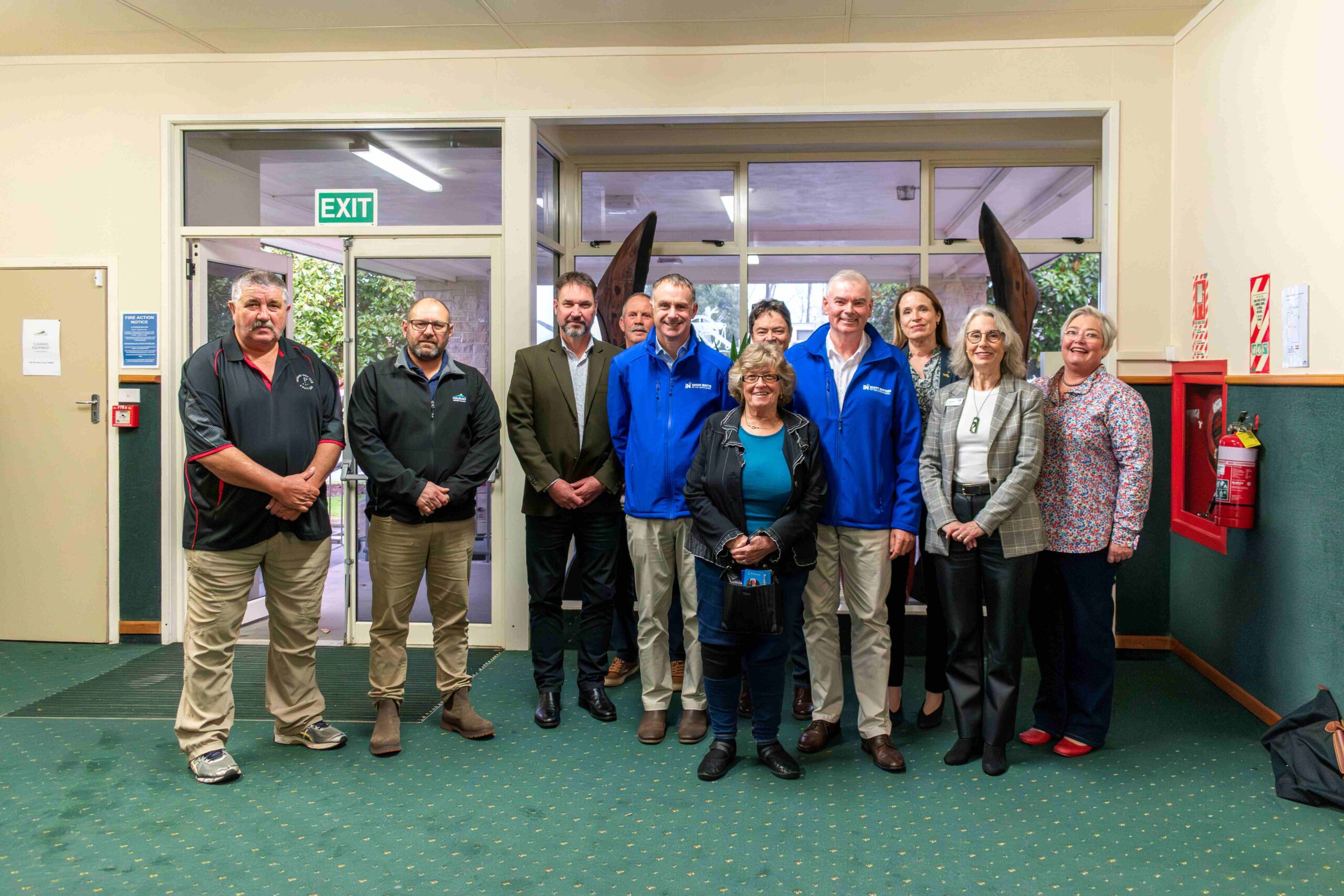
Environment Minister Nicola Grigg and Minister of Climate Change Simon Watts announced the upgrade on June 5, saying the project will significantly reduce waste going to landfill, as well as boosting recycling capacity at the site.
The majority of the project – $658,190 – is being funded from the government’s Waste Minimisation Fund, which is for infrastructure projects that help reduce carbon emissions by diverting organic waste from landfill.
A further $420,810 will come from the Hauraki District Council.
The Waihī transfer station is the busiest transfer station in the Hauraki district, and it is used by people from both Hauraki and the Western Bay of Plenty.
Its upgrade will be a “game-changer” for Waihī, Hauraki Hauraki District Mayor Toby Adams said.
“The most important thing is that the stuff that is going into the landfill, that it’s getting measured and weighed correctly, and the right people are paying for that,” he said.
“I make no secret of it, we were subsidising [Western Bay of Plenty District Council] for about $650 grand a year, and we’ve been able to stem that back by having a weighed system where everybody’s paying their fair share, and it’s taken the burden off our ratepayers.”
Minister Watts said the upgrade will have immediate benefits for waste management in the region.
“There’s a lot of growth within the community so we need to make sure that our infrastructure is keeping up with that,” he said.
“[And] continuing to reduce emissions from the waste sector was one of the key areas we targeted in our second emissions reduction plan.
“Waste Minimisation Fund projects like this support our climate transition by reducing organic waste and emissions,” he said.
The upgrade is scheduled to be completed in 2028, and will divert an estimated 3,400 tonnes of material from landfill each year. This includes 3000 tonnes of green waste, 350 tonnes of paper and cardboard, and around 30 tonnes of construction materials.
The upgrades will also allow green waste to be mulched and reused in local parks and public spaces, with surplus material composted.