An estimated 10 metric tonnes of recyclable and organic waste is being tossed into Hauraki’s landfills each week instead of being recycled, according to a council report.
The Waste Management Solid Waste Analysis Protocol report, detailing the results of a waste audit undertaken in March last year, was presented to councillors at a council meeting on April 8.
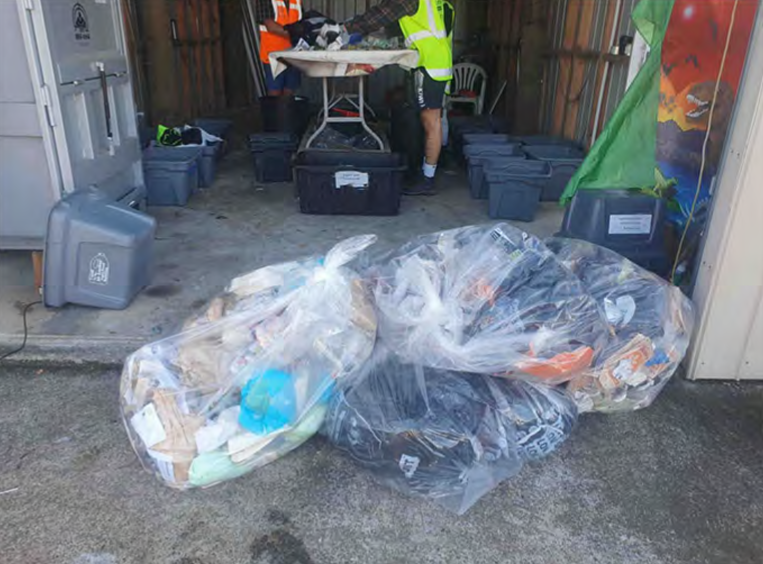
During the audit, staff collected 150 council kerbside rubbish bins from streets in Whiritoa, Waihī, Ngatea, and Paeroa, and sorted their contents into 23 categories.
The audit found 42.2 percent of the rubbish bins’ contents by weight were composed of food waste, green waste, and other organic material, including vacuum cleaner dust, dead animals and animal faeces.
A further 9.8 per cent was made up of plastics, many of which were recyclable containers and soft plastics.
Recyclable paper made up 3.96 per cent.
This equated to around 9.6 metric tonnes of waste per week which could have been diverted away from landfill for recycling or composting, the report concluded.
“I was really disappointed by this report,” councillor Anne-Marie Spicer said at the meeting.
“It just tells me people can clearly afford to chuck whatever they like in the bins and not give a toss where it goes…
“I’m going to be remembering this report when it comes to putting up the price of rubbish tags.
“I think we’ve seen this coming for a long time,” Deputy Mayor Paul Milner said.
The council’s rubbish strategy received further scrutiny in the meeting, with the endorsement of a cross-regional project focusing on waste strategy.
The Waikato and Bay of Plenty Cross-Regional Waste Strategy and Waste Infrastructure Plan will help the councils involved in the project develop a co-ordinated approach to waste management across the region, and encourage the development of a circular waste strategy.
“Anything we can do to enable a circular economy and collaborate is very worthwhile,” councillor Amanda Ryan said.
Meanwhile, the council has ended its green waste disposal service in Ngatea due to unsustainable costs.
The service cost around $109,000 over 18 months of operation, while generating only $5244.91 in income.
Utilisation of the service was extremely low, council heard.
“We’re making a practical change to how green waste is managed in Ngatea so we can focus our resources on services that benefit more people and the environment across the district,” group manager of service delivery Adrian de Laborde said.
“This is about making sure we’re doing that in the most effective way.”
Green waste can still be taken to the Paeroa and Waihī transfer stations.