
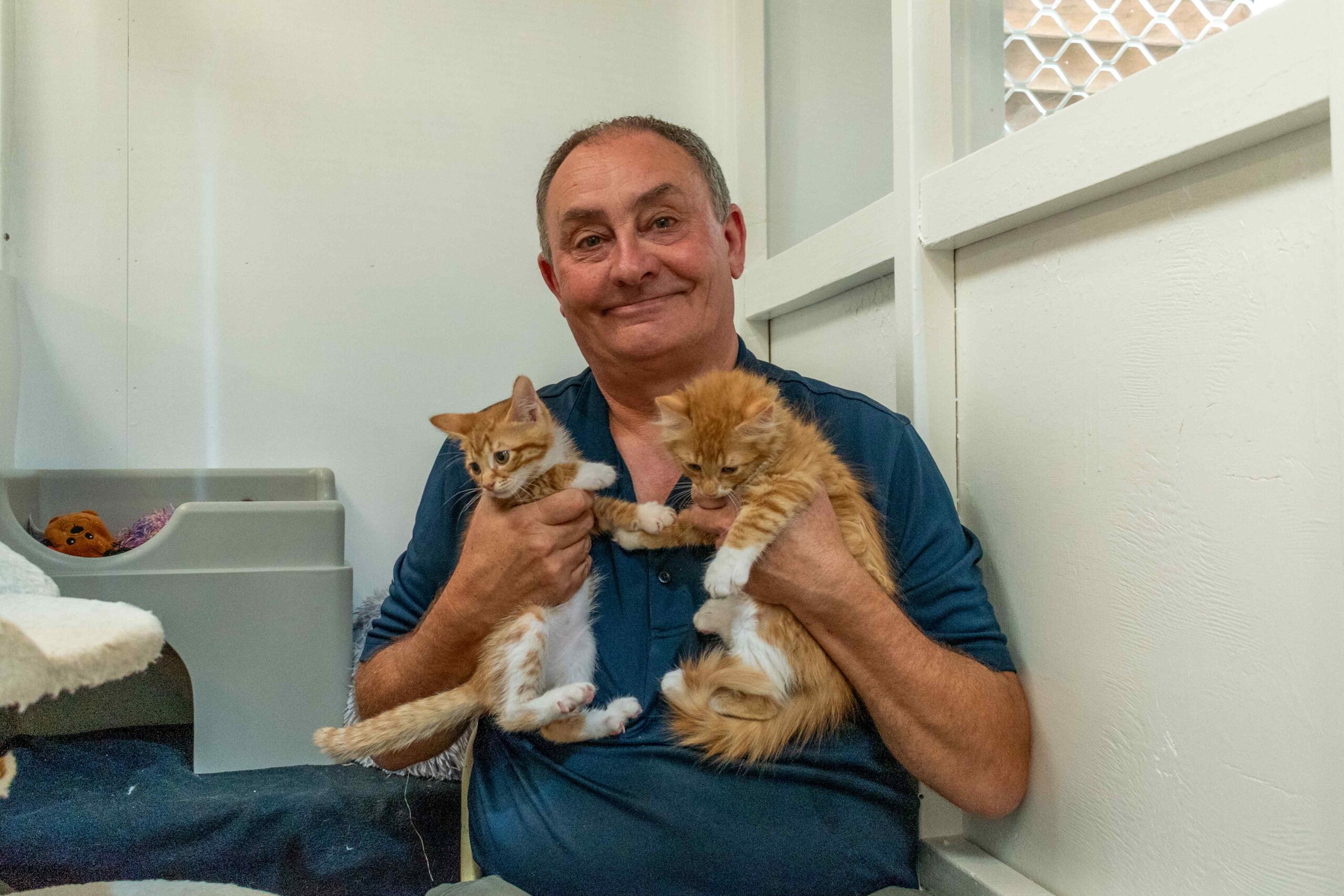
The SPCA is on the search for foster parents for kittens and dogs, as centres across the country prepare for a busy breeding season.
More than 10,000 kittens passed through SPCA centres between November 2024 and April 2025, and the charity said it was anticipating another busy season this summer.
Thames SPCA manager Brent Thomas said foster parents were an essential part of the centre’s operations.
“Last week we had about 83 animals in our care… throughout New Zealand there is a massive influx in kittens right now, and a crisis of dogs,” he said.
“When [animals] get adopted out at this time of year, we’ve got other centres around New Zealand that will be overflowing, so they will just send us more.”
Becoming a foster parent is as simple as filling out a form online – prospective parents need to be over 18, and have spare time to spend with the animals. Kittens are generally a short-term foster, as they are able to be adopted out once they reach a kilogram in weight, while dogs are often fostered for three or four months before finding a home, Brent said.
“We supply everything: kitty litter, any vet treatments required, fleas, worms, the whole lot. It’s just donating their time and a space,” Brent said.
“Sometimes, especially for kittens, the foster period may only be two, three, four weeks. But it still helps us out immensely that we’re not coming in as staff having to feed, clean and look after these animals in this environment. And also, if they’re doing it in their home, there’s less risk of them catching disease from other kittens that are coming in. So it protects them from disease as well, being out in a foster home.”
Some foster animals required more hands-on care; Brent said there were opportunities for people who want to nurse sick or injured animals through their rehabilitation period, and people willing to bottle-feed animals are also always in demand.
Foster parents come and go, he said. Dog fosters in particular are hard to come by, as people end up forming emotional attachments to the animals and finding it hard to let go. But the benefits for the animals themselves are massive.
“For a dog, the best environment to grow up in is a home environment,” he said.
“If they can grow up in a home until they find their forever home, that’s way better than growing up here.”
And for those who want to help but lack the time or space to foster, there is always volunteering.
“A lot of the time we have over 20 dogs and puppies here. And even if you put 10 minutes’ training into each one, that’s a lot of time,” Brent said.
“They benefit from that every day, just doing the basics with them. So anyone that wants to volunteer, even just as a dog walker, that’s amazing.
“The more people you can get here, the better. Even mowing lawns or sweeping, doing dishes, folding, washing – there’s just so much to constantly do.”
DETAILS: To find out more about becoming a foster parent or volunteer visit www.spca.nz/how-you-can-help/volunteer or contact Thames SPCA, Ph 07 868 6830.