
OceanaGold’s Waihī North mining project has been ap-proved by an expert panel under the government’s Fast-Track Approvals Act, it was announced on December 18.
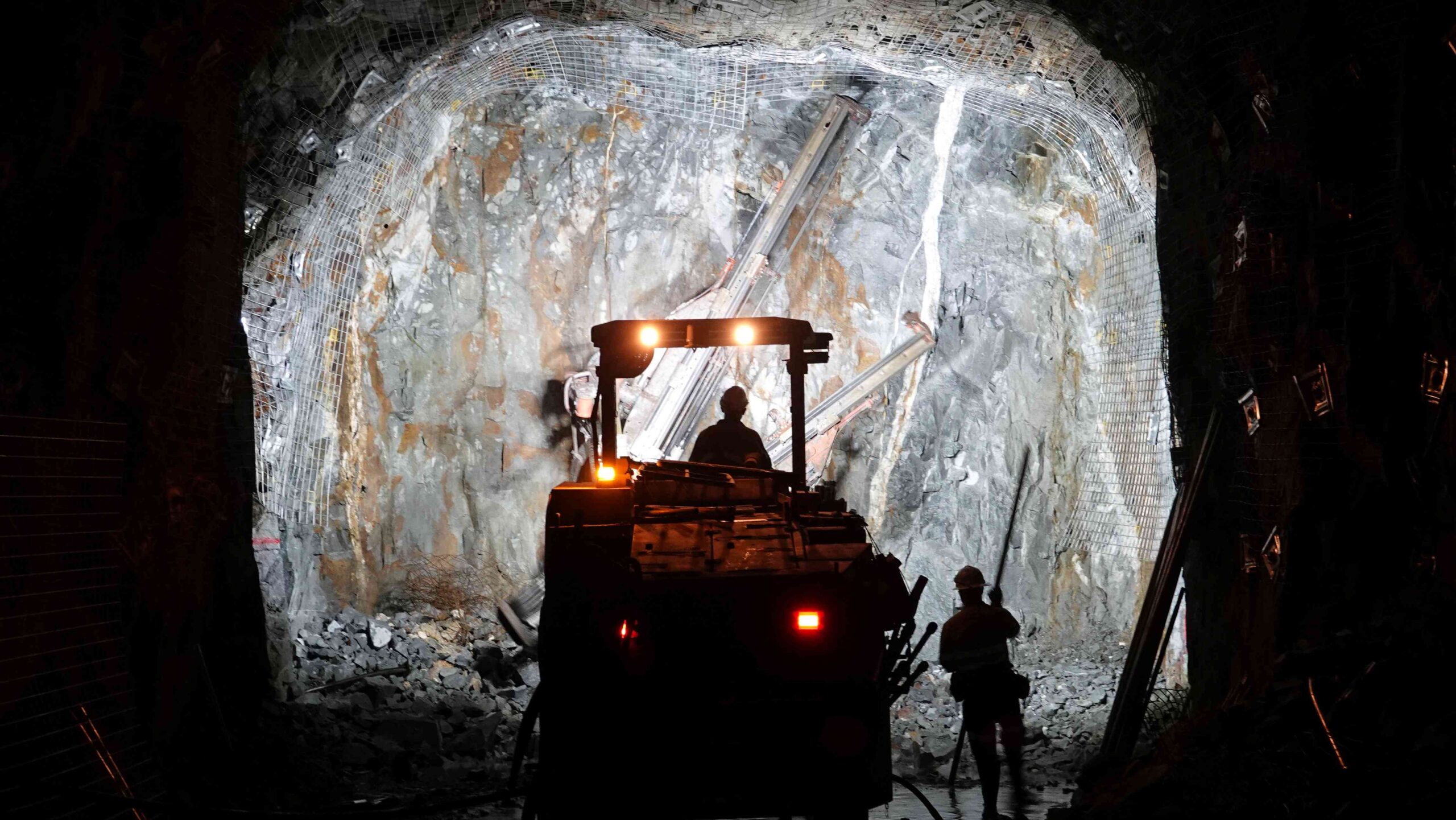
The Waihī North Project will involve exploration drill sites within Department of Conservation land, including four ventilation shafts and four new geotechnical drilling sites; a new underground mine at Wharekirauponga approximately 10km north of OceanaGold’s current Waihī operation site; a new open pit at Gladstone Hill; and a third tailings storage facility.
The Waihī North Project will ex-tend mining at Waihī until around the year 2040, and will provide significant economic benefits for Waihī, the Hauraki District and New Zealand, OceanaGold says.
OceanaGold also outlined its intent to establish an $8.4 million predator control and ecological enhancement project called the Waihī North Biodiversity Project, in addition to any mandated environmental protection requirements in the application.
The approval of the mining project is subject to a number of conditions to be imposed on Oceana-Gold, which are outlined in the expert panel’s 346-page decision report.
The decision report also noted the panel had taken into consideration 22 submissions it received on the draft conditions, which were released on November 25.
OceanaGold president and chief executive Gerard Bond said the Fast-Track Approvals Act process was tough but welcome.
“This new legislation provides the efficiency and certainty of a very clear timeline, while maintaining stakeholder involvement and the necessary rigour, oversight and expert scrutiny of the company’s proposals.”
OceanaGold had a proven 35-year track-record of working within a tight regulatory framework, he said.
“This includes obligations relating to vibration, noise, dust, ground surface stability, biodiversity, and water management.”
However, mining opposition group Coromandel Watchdog said the approval was “a crime against the environment”, and said it planned to keep fighting the project. The group held a “Rally for Resistance” on December 20 at the site of the future entrance to the Wharekirauponga underground mine.
“It legitimises more toxic waste, more damage to biodiversity and more profits will head off-shore,” chair Catherine Delahunty said.
“[It] includes blasting and vibration under sensitive land and species, and threatens the forest through dewatering and subsidence impacts.”
Gerard said both he and OceanaGold recognised the ecological value of the Wharekirauponga area.
“This is a key driver for the mine being underground and accessed by a tunnel from outside the Forest Park area, minimising any impacts at the surface.”
Waihī North is one of three mining projects to be approved under the Fast-Track Approvals Act so far. On December 11, approval was also granted for the development of a 60-metre deep quarry in Drury, Auckland, alongside the existing Drury Quarry; and on December 18 an expansion to the Kings Quarry operation in Wainui, Auckland, was also approved.
As of December 22, nine projects had been approved under the Act.