
Treating methamphetamine addiction is complicated – not only are medical services stretched, but there are also underlying social issues which need to be addressed, providers say. In this installment of The Valley Profile’s investigation into methamphetamine use in Thames, reporter ALICE PARMINTER looks into what providers want to happen now.
Mental health providers in Thames are seeing increasing numbers of methamphetamine presentations, along with increased violence and aggression, a health leader says.
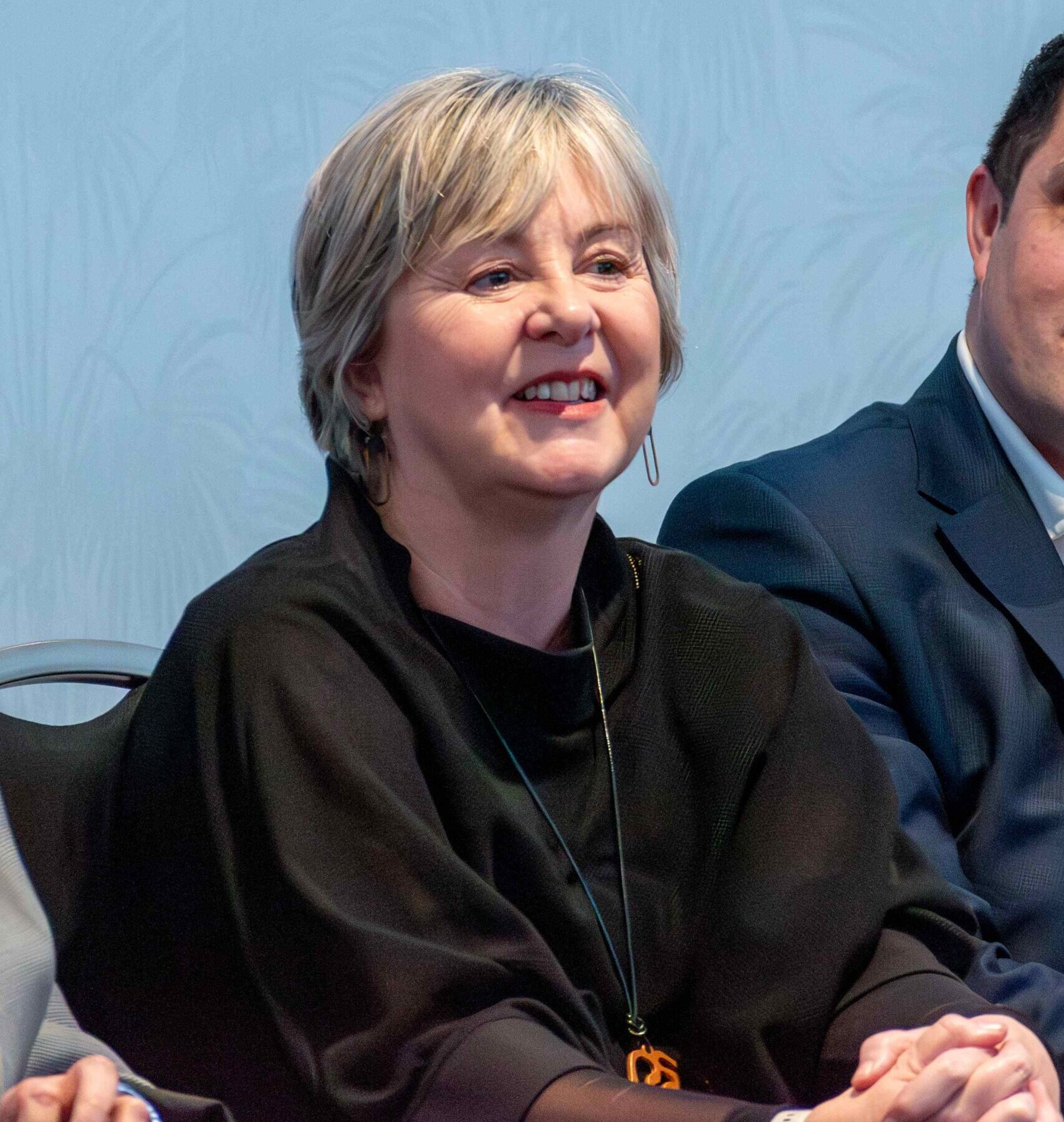
“The people that are coming to our mental health service who need to go into an inpatient mental health bed – methamphetamine is related to one in three of those admissions,” Health NZ Te Manawa Taki mental health addictions lead Vicki Aitken said.
“[And] if you are somebody who has a history of trauma or lots of distress, and you are using methamphetamine and other drugs to cope with that, then you’ve got that other vicious cycle of drug use and mental health problems happening.”
Additionally, methamphetamine users had a much greater chance of developing an unresolvable psychotic disorder, she said.
What was really needed was a whole-of-community, wrap-around solution.
It’s a view that’s being echoed by other providers in Thames, such as Te Whāriki Manawāhine o Hauraki Women’s Refuge.
“There is an element of intervention and prevention, which is where I think the police are very much part of this picture,” Te Whāriki director of research Paora Moyle said.
“[But] until we deal with the causes, there will always be a segment in our society who will be addicted to some form of drug, whether it’s an illegal drug or whether it’s prescribed medication.
“These are real people who live in our community… They deserve for their community to take some care and compassionate approach towards them.”
Some of the more common causes were housing issues, the cost of living, and intergenerational family abuse and trauma.
She said Te Whāriki was working to address these issues alongside addictions, rather than separately.
Te Whāriki was already seeing some success. In May, 18 women with substance dependencies joined one of its intervention programmes.
“Following the [course], every meth user became clean, supported through the impact of the programme, the ongoing backing of Te Whāriki, and most importantly the sisterhood support system they set up and strictly maintained for themselves,” she said.
“When I met with them recently, all had stable homes. Every woman was either in work or involved in voluntary helping, and two were engaging positively with Oranga Tamariki [Ministry for Children] to have their children transitioned back into their care.”
Staff at the Living Well Trust on Mary St also see a lot of methamphetamine users – they estimated around 80 per cent of the people through their doors are either using the drug or have an addict in the family.
Co-ordinator Amanda Goldfinch and team lead Eddie Churton said often their biggest impediment to getting someone help was timeliness.
“We’ve had people ask for help and we’ve run through all the services, and it just takes so long to hear back… By that time they’re over wanting the help, it’s too late,” Amanda said.
“When they’ve come down off a massive high and they’re feeling really down in the dumps and at the lowest possible level, then they really want help. But then some nice person will lend them some money or give them some P and they’re back up again,” Eddie added.
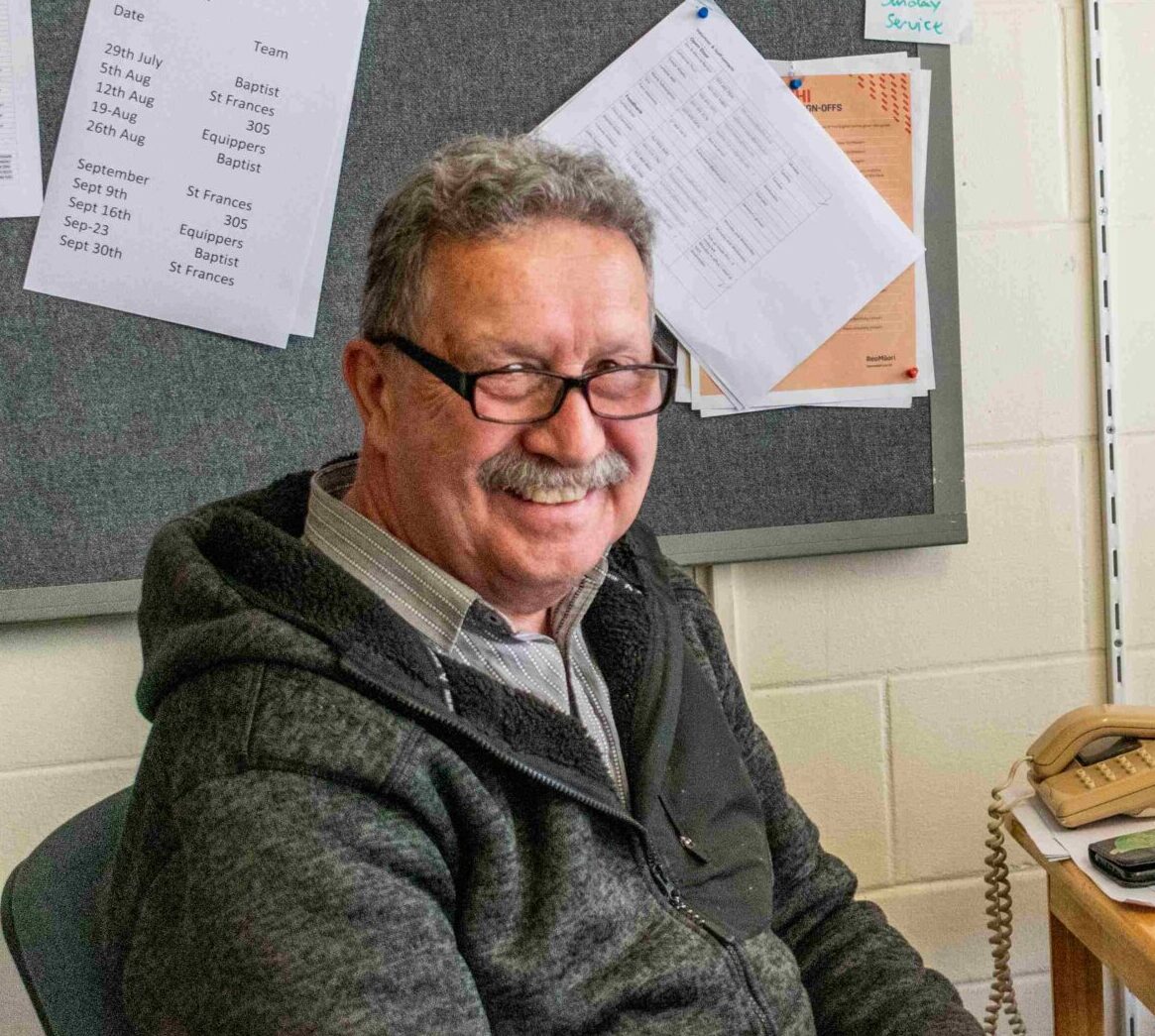
Police were also taking a more nuanced approach to methamphetamine, Thames Community Officer acting Sergeant Gareth Carter said.
“The Police a number of years ago looked into the reasons why things are occurring – they call it the ‘eyes wide open’ approach. So you’re going into situations trying to establish the factors causing the harm,” he said.
“That often involves liaising with our partners and non-profit groups such as the Baptist Church or the Ministry of Social Development (MSD). We have local drug and alcohol counselling services… in Thames we have the Manaaki Centre, Te Korowai [has] drug and alcohol counsellors as well as mental health services.”
The one thing everyone agreed on was the need to work together.
“I think a social audit is really important – what resources have we got available in our communities?” Paora said.
“Having everybody at the table and working out what is going to be best for the Thames community – housing, MSD, mental health, Police, local government and health care, family harm providers – together they can have much more of a wraparound approach,” Vicki said.
“We’re not going to arrest our way out of this. We need a combined approach and combined solution.”